Article by Jay Michaels
For generations of genre fans who came of age during the golden era of late-night television, Saturday night was never just another block of broadcast programming—it was a sacred ritual. Long before streaming algorithms and digital on-demand libraries flattened media consumption into endless scrolling, we were glued to glowing cathode-ray tube sets, eagerly awaiting the flickering opening credits of Creature Features on KTVU Channel 2.
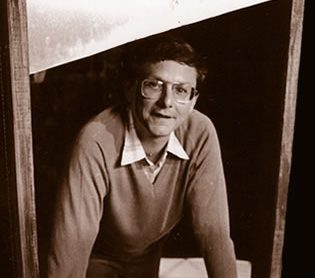
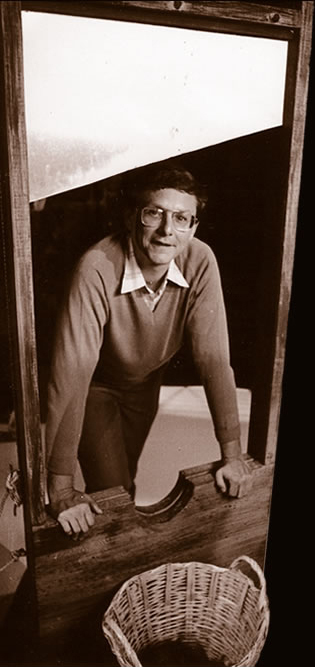
At the center of that sanctuary sat John Stanley.
Unlike the comedic or camp-heavy horror hosts of the era, Stanley brought something revolutionary to the living room: dignity, gravitas, and deep historical reverence for the craft of fantasy, science fiction, and terror cinema. Dressed sharply in a tailored suit and tie, Stanley treated horror not as disposable Saturday-night schlock, but as an enduring cinematic art form deserving of serious critique and scholarly celebration.
Sitting down with John Stanley on Channel Indie (Watch the full interview on YouTube), it takes only seconds to realize that the man behind the desk has never lost the infectious curiosity and boyish wonder that first drew him to the flickering marquee screens of the 1940s and ’50s.
The Spark: A Lifelong Romance with the Fantastic
Long before he ever stepped in front of a studio camera or compiled landmark film guides, Stanley’s passion was forged in the movie palaces of Northern California.
“My dad and I lived in Oakland, and we used to go to San Francisco to a newsreel theatre on Market and Powell. After an hour of newsreels, we’d go next door to a theatre, and that’s where I began to see my first Westerns and horror movies.” — John Stanley
By the time the landmark sci-fi boom of the 1950s hit, Stanley was hooked. He vividly remembers trembling down the hallway of his childhood home after witnessing James Arness as the vegetative alien terror in Howard Hawks’ The Thing from Another World (1951), and the bone-chilling dread of the colossal robot Gort in Robert Wise’s The Day the Earth Stood Still (1951). Those defining moments did not just entertain him; they wired his imagination for a lifetime of storytelling.
The Chronicler of Legends: Over 800 Interviews
Stanley’s encyclopedic knowledge and journalistic precision quickly propelled him into print journalism. For over three decades at the San Francisco Chronicle—then the ninth largest newspaper in the nation—he served as a premier entertainment and cultural journalist for the Sunday Datebook section.
During his storied tenure, Stanley assembled an astonishing roster of over 800 in-depth celebrity interviews spanning Hollywood’s Golden Age through modern Hollywood titans:
- Hollywood Royalty: Sitting with Jimmy Stewart (whom he interviewed twice), and spending an unforgettable evening at Lucille Ball’s home alongside Jackie Gleason and Art Carney.
- Mae West & Her Armed Guard: Stanley recalled entering a room to interview Mae West, only to be confronted by a towering bodyguard packing a holstered firearm who warned him, “I am the bodyguard of Mae West. Don’t do anything wrong.”
- Clint Eastwood: Meeting and interviewing Eastwood on five distinct occasions throughout his iconic career.
- Genre Giants: Profiling master creators including Ray Bradbury, Psycho author Robert Bloch (with whom Stanley formed a close lifelong friendship, later publishing a collection of Bloch’s 1940s pulp stories, Lost in Time and Space with Lefty Feep), and Stephen King.
- Sci-Fi & Action Icons: From Star Wars luminaries Carrie Fisher, Mark Hamill, and Billy Dee Williams to Christopher Lee, Chuck Norris, and director Sam Fuller.
Stanley’s lavish retrospective volumes—including The Gang That Shot Up Hollywood and The Career That Dripped With Horror—preserve these conversations not as dry transcripts, but as lavishly illustrated, candid chronicles of American popular culture.
Preserving the Lore: Filmmaking & Nightmare in Blood
Stanley was never content to remain merely an observer; he was a creator. In 1977, he wrote, produced, and directed the cult classic horror feature Nightmare in Blood (released theatrically in 1978 and heavily distributed through drive-ins and theaters nationwide).
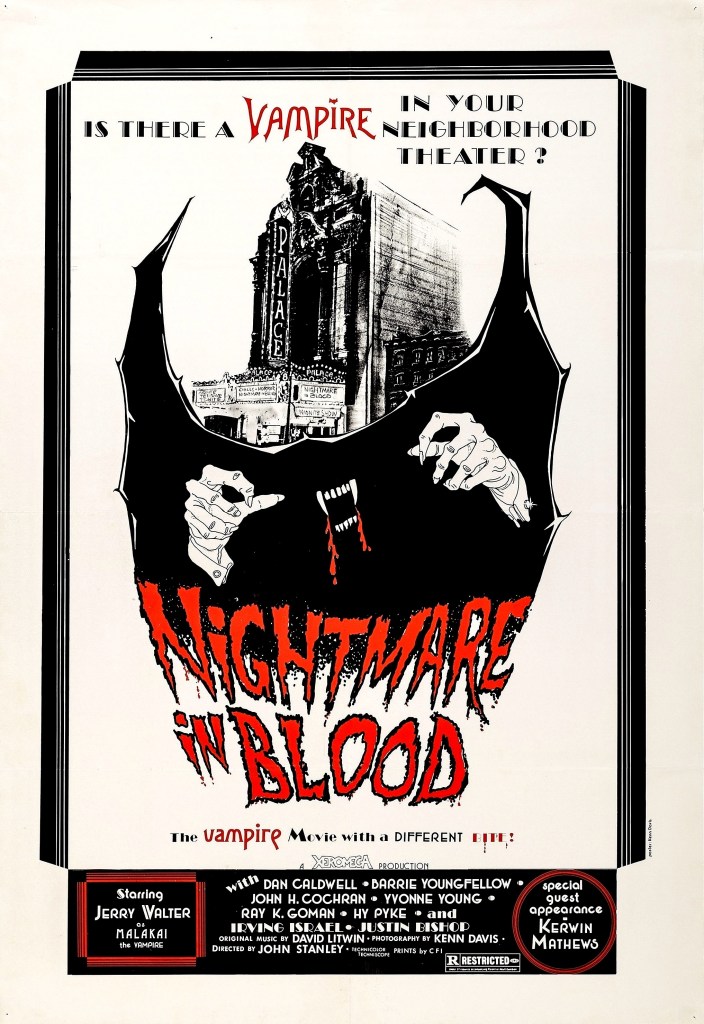
Decades ahead of its time, Nightmare in Blood centered around an affectionate yet chilling premise: horror convention organizers hire a famed veteran actor named Malakai who specializes in playing screen vampires, only to discover that the actor is, in fact, an actual centuries-old undead creature.
Woven deeply into the film’s narrative is a sharp defense of comic books and genre literature, echoing the real-life 1954 Senate hearings where EC Comics publisher William Gaines stood alone against moral panic and Fredric Wertham’s Seduction of the Innocent. Stanley took those cultural battles and embedded them directly into the film, culminating in an on-screen televised clash that defended fantasy and comic art as fundamental American creative expression.
The Legend Continues: Out of the Cellar Horror Film Festival
Rather than resting upon his towering accolades, Stanley remains an active, vital force championing independent genre cinema.
On Friday, November 13 and Saturday, November 14, Stanley will headline the inaugural Out of the Cellar Horror Film Festival at the historic Chabot Theater in Castro Valley, California:
- Friday Night Showcase (Nov. 13): A special big-screen presentation of Stanley’s own Nightmare in Blood, presented alongside fellow horror host Lord Blood-Rah.
- Saturday Showcase (Nov. 14): Stanley will join fellow judges Logan Hoover and acclaimed actor Barry Ratcliffe (Miami Vice) to evaluate and present 29 independent short horror films from rising international filmmakers.
Tickets and programming schedules are available directly at outofthecellarfilmfestival.com.
A Living Monument to the Midnight Movie
For all who grew up finding solace in the shadows of monstrous imagination, John Stanley remains our cultural protector. He legitimized what the establishment dismissed, treated our beloved monsters with royal stature, and proved that a love of genre cinema is a badge of sophisticated honor.
To watch him reflect on a career that spans newsreels, newsrooms, studio lots, and broadcast sets is to witness living cinema history. John Stanley is more than a broadcaster; he is a beacon of independent spirit and the eternal guardian of our midnight memories.